


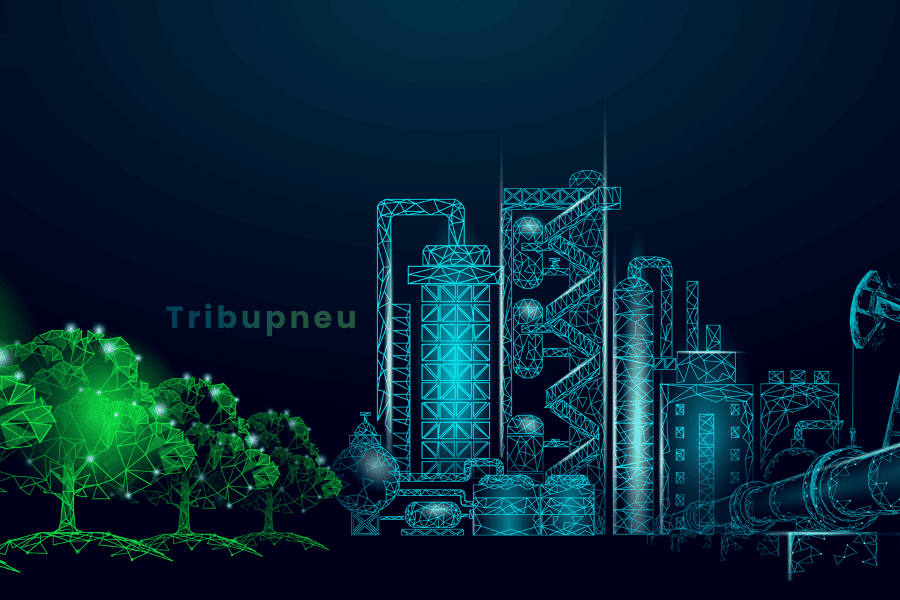
In the rapidly advancing world of science and technology, tribupneu has emerged as a groundbreaking term symbolizing innovation, adaptability, and efficiency. This concept bridges mechanical intelligence with sustainable development, offering a fresh approach to how industries function today. The evolution of tribupneu marks a significant shift in how energy, automation, and eco-friendly designs converge to shape the future.
Understanding What Tribupneu Means
The word tribupneu combines two essential ideas “tribo,” relating to friction, and “pneu,” referring to air or pressure. Together, they represent systems or mechanisms driven by the interaction between friction and pneumatic energy. The result is an advanced framework that integrates physics, mechanics, and environmental consciousness into one cohesive model.
Key Concept Overview
| Aspect | Description |
|---|---|
| Term Origin | Derived from “tribo” (friction) and “pneu” (air/pressure) |
| Primary Focus | Energy efficiency through friction and air pressure balance |
| Main Application | Robotics, mechanical systems, and green energy solutions |
| Relevance Today | Central to sustainable industrial innovation |
Through its combination of mechanical and pneumatic principles, tribupneu stands as a symbol of how modern science continues to merge old concepts with futuristic technologies.
The Core Principles Behind Tribupneu
At its foundation, tribupneu revolves around balance balancing energy use, resource consumption, and performance. It incorporates the idea of friction-based motion control while minimizing environmental waste. In practice, this means machinery can operate more efficiently with less fuel, fewer emissions, and lower mechanical wear.
The design logic behind tribupneu is deeply tied to three central principles:
-
Adaptive Energy Use – Machines adjust their performance based on air pressure and surface friction.
-
Eco-Friendly Mechanics – Reduction in material waste and environmental pollution.
-
Smart Automation – Use of data-driven sensors for real-time performance optimization.
Each of these principles demonstrates how this transcends conventional engineering by merging mechanical science with environmental mindfulness.
Applications of Tribupneu in Modern Industries
1. Robotics and Automation
Robotics is one of the leading fields adopting tribupneu technologies. Pneumatic-based actuators, coupled with friction optimization, allow robots to move more naturally and efficiently. These systems mimic human muscle movement, making automation both flexible and energy-efficient.
2. Automotive Engineering
In the automotive sector, tribupneu principles help reduce energy loss through friction. Vehicles equipped with adaptive air-pressure systems improve braking, acceleration, and fuel economy. This contributes to sustainability and enhances performance reliability.
3. Renewable Energy Systems
Wind turbines, solar trackers, and hydropower mechanisms are beginning to incorporate their frameworks. The ability to manage air and frictional forces allows for smoother mechanical operations and greater longevity of renewable equipment.
4. Industrial Manufacturing
In manufacturing plants, tribupneu -based systems monitor and adjust machine pressure levels to maintain precision and reduce mechanical stress. The result is higher productivity and reduced maintenance costs.
Scientific and Environmental Importance of Tribupneu
The introduction of tribupneu signifies more than just a technological leap it embodies the drive toward ecological sustainability. Traditional mechanical systems often waste energy through frictional losses, while pneumatic systems can be inefficient if poorly optimized. This resolves this dual inefficiency by turning friction into a controlled force rather than a source of loss.
Environmental Benefits Table
| Environmental Factor | Tribupneu Impact |
|---|---|
| Energy Efficiency | Converts frictional losses into usable energy |
| Carbon Reduction | Reduces fuel and energy consumption |
| Machine Longevity | Minimizes wear and tear through friction management |
| Waste Minimization | Encourages recyclable material use |
The environmental implications of this could shape the next generation of sustainable industrial standards, reducing global carbon footprints and promoting circular economies.
Tribupneu and the Future of Smart Technologies
With the rise of artificial intelligence and the Internet of Things (IoT), tribupneu systems can be integrated into smart networks. These networks use real-time data to optimize pneumatic and mechanical balance automatically. Imagine a factory where every machine self-adjusts based on air pressure, temperature, and workload this is where this becomes indispensable.
Furthermore, research in nanotechnology and bioengineering is beginning to apply this concepts to design miniature systems that replicate biological motion. From artificial limbs to adaptive prosthetics, the future potential is limitless.
Economic and Social Impacts of Tribupneu
Economically, tribupneu reduces operational costs by optimizing energy usage. It empowers industries to produce more with less, increasing profitability while adhering to environmental regulations. Socially, it represents progress toward a world where technology supports not exploits the planet’s resources.
Businesses implementing frameworks experience:
-
Lower maintenance expenses due to self-regulating systems.
-
Improved efficiency across manufacturing lines.
-
Enhanced sustainability ratings, appealing to eco-conscious consumers.
This fusion of profitability and responsibility positions this as both an economic catalyst and a social advancement tool.
Comparative Analysis: Tribupneu vs. Traditional Systems
| Feature | Traditional Systems | Tribupneu Systems |
|---|---|---|
| Energy Source | Mechanical/Electrical | Pneumatic-Friction Hybrid |
| Efficiency Level | Moderate | High (Adaptive and Self-Regulating) |
| Environmental Impact | High | Low (Eco-Conscious Design) |
| Maintenance Needs | Frequent | Minimal |
| Innovation Potential | Limited | Expanding Rapidly |
This comparison illustrates why tribupneu is more than a passing trend it is a transformative model shaping future industrial paradigms.
Challenges and Research Opportunities
While tribupneu offers remarkable advantages, challenges still exist in scaling the technology. Engineers and researchers must develop materials that can handle complex frictional dynamics and air pressures over time. Additionally, implementing this in existing systems requires redesigning infrastructure to accommodate hybrid mechanical-pneumatic integration.
However, these challenges also open research opportunities in:
-
Smart material development
-
Energy recovery systems
-
Hybrid control algorithms
By addressing these challenges, the next wave of innovation can solidify tribupneu as a universal standard.
FAQs
Q: What is tribupneu?
A: Tribupneu is a modern system combining friction (“tribo”) and air pressure (“pneu”) to create energy-efficient, eco-friendly mechanical solutions.
Q: How does tribupneu improve efficiency?
A: It optimizes air and frictional forces, reducing energy loss and increasing machine performance with minimal maintenance.
Q: Where is tribupneu used?
A: This is applied in robotics, automotive systems, renewable energy, and smart manufacturing industries.
Q: Why is tribupneu important for sustainability?
A: It reduces carbon emissions and waste by converting friction into useful energy, supporting green innovation.
Q: What is the future of tribupneu technology?
A: This will evolve through AI and IoT integration, leading to smarter, self-adjusting industrial systems.
Conclusion
In conclusion, tribupneu represents the perfect harmony between technology, efficiency, and sustainability. Its hybrid framework redefines how energy and motion interact, paving the way for smarter, greener, and more adaptive machinery. As industries worldwide transition toward eco-conscious development, this will remain at the forefront of innovation driving progress while preserving the planet.
The future belongs to those who understand the power of balance, and it’s balance where science meets responsibility.
