


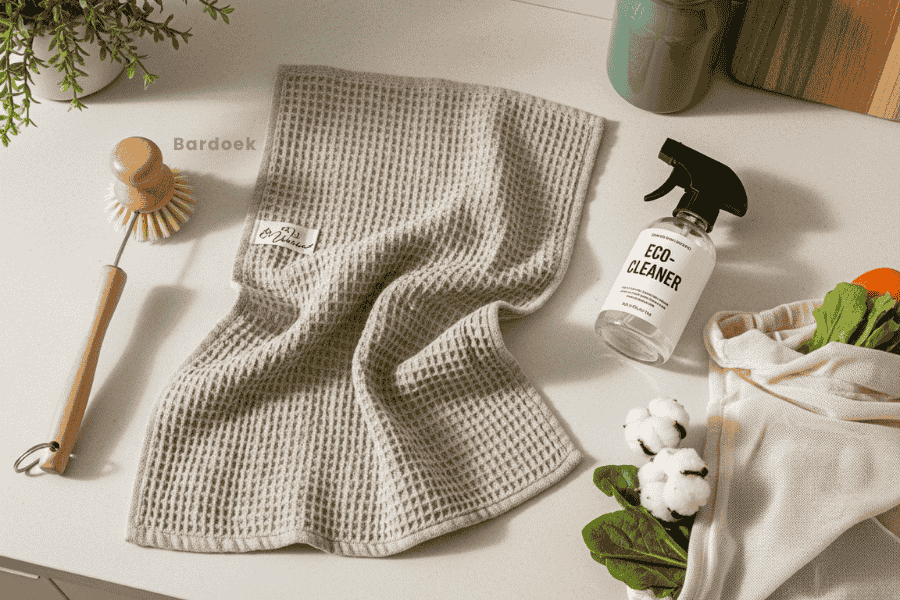
When it comes to maintaining a clean and efficient kitchen, few items are as versatile and indispensable as the bardoek. This humble kitchen companion has been a staple in European households for generations, yet many people remain unfamiliar with its numerous applications and benefits. Whether you’re an experienced home cook or just beginning your culinary journey, understanding the value of a quality bardoek can transform your kitchen experience and elevate your daily routines.
A bardoek is more than just a simple piece of fabric. It represents a tradition of practical kitchen management that combines functionality with sustainability. In an era where disposable paper towels dominate many kitchens, this reusable textile offers an environmentally friendly alternative that delivers superior performance across countless tasks.
Understanding What Makes a Bardoek Special
The term bardoek originates from Dutch and Belgian kitchen culture, where these textiles have been cherished for their exceptional absorbency and durability. Unlike standard dish towels or decorative kitchen linens, these specialized cloths are designed specifically for heavy-duty kitchen work. Their unique weaving pattern creates a texture that effectively captures moisture while remaining gentle enough for delicate glassware and fine china.
Traditional versions are crafted from pure cotton or linen fibers, materials chosen specifically for their natural absorbent properties. The weaving technique employed in their construction creates a distinctive grid or waffle pattern that increases surface area, allowing the fabric to hold significantly more water than conventional smooth-weave towels. This structural design makes them particularly effective for drying dishes, wiping countertops, and handling hot cookware.
The Historical Significance of Bardoek Kitchen Textiles
Throughout European culinary history, the bardoek has occupied a position of importance in well-organized kitchens. Professional chefs and home cooks alike have relied on these textiles for centuries, passing down knowledge about their proper use and care through generations. In traditional Dutch and Belgian households, a well-stocked linen closet would contain multiple versions of these essential cloths, each designated for specific purposes.
| Historical Period | Primary Use | Material Preference |
|---|---|---|
| Pre-1900s | Hand-drying dishes | Pure linen |
| Early 1900s | General kitchen cleaning | Cotton blends |
| Mid-1900s | Professional kitchens | Heavy cotton |
| Modern Era | Multi-purpose kitchen tasks | Cotton and linen varieties |
The evolution of these kitchen textiles reflects broader changes in household management and culinary practices. As kitchens became more mechanized and hygiene standards evolved, the role of quality absorbent textiles became even more crucial.
Practical Applications of Bardoek in Modern Kitchens
Today’s home cooks discover countless ways to incorporate a bardoek into their daily routines. The versatility of these textiles extends far beyond simple dish drying, making them invaluable tools for various kitchen tasks.
Dish Drying and Glassware Care
The primary function remains drying freshly washed dishes, plates, and glassware. The absorbent nature of a quality bardoek allows it to remove water quickly without leaving streaks or lint behind. When used properly, these cloths can achieve a sparkling finish on wine glasses and crystal that rivals any specialized polishing cloth. The key lies in using a clean, dry textile and employing gentle circular motions to remove all moisture.
Food Preparation and Handling
Beyond cleaning tasks, these versatile textiles serve important roles in food preparation. Cooks use them to cover rising dough, protecting it from drafts while allowing proper fermentation. They also function as effective produce dryers after washing vegetables and herbs, with the absorbent fabric quickly removing excess moisture that could dilute dressings or cause sogginess in salads.
Heat Protection and Safe Handling
The thick, absorbent construction provides excellent insulation when handling hot pots, pans, and baking dishes. While not a replacement for dedicated pot holders or oven mitts, a folded bardoek offers reliable protection when moving moderately hot cookware or removing lids from steaming pots. This dual functionality makes them particularly valuable in busy kitchens where specialized tools might not always be within reach.
Choosing the Right Quality and Type of Bardoek
Selecting an appropriate bardoek requires understanding the different materials and construction methods available. Not all kitchen textiles offer the same performance, and investing in quality pieces pays dividends through years of reliable service.
| Material Type | Absorbency Level | Durability Rating | Best Use Case |
|---|---|---|---|
| 100% Cotton | High | Excellent | General kitchen tasks |
| Linen Blend | Very High | Outstanding | Fine glassware and delicate items |
| Cotton-Linen Mix | High | Excellent | All-purpose applications |
| Waffle Weave | Exceptional | Good | Maximum water absorption |
The weave pattern significantly impacts performance. Waffle weave designs create more surface area and air pockets, dramatically increasing absorbent capacity. Flat weave versions offer smoother surfaces ideal for polishing and streak-free drying. Understanding these differences helps match the textile to specific kitchen needs.
Proper Care and Maintenance Techniques of Bardoek
Maintaining these kitchen textiles in optimal condition requires following specific care guidelines. Proper washing and storage practices extend their useful life while ensuring they remain hygienic and effective.
Washing and Sanitizing Methods
Regular washing removes food particles, grease, and bacteria that accumulate during kitchen use. A quality bardoek should be laundered every two to three days with regular kitchen use, or immediately after contact with raw meat, poultry, or eggs. Hot water washing at temperatures above 60 degrees Celsius effectively sanitizes the fabric while preserving its structural integrity.
Avoid using fabric softeners, as these products coat fibers and reduce absorbency over time. Instead, add white vinegar to the rinse cycle to naturally soften the fabric while maintaining its moisture-wicking properties. For stubborn stains or odors, pre-soaking in a solution of hot water and baking soda provides effective, chemical-free cleaning.
Drying and Storage Best Practices
Air drying preserves fabric structure and prevents shrinkage better than machine drying, though tumble drying on low heat remains acceptable for cotton versions. Proper drying ensures textiles remain fresh and prevents mildew development. Once completely dry, store these kitchen essentials in a clean, dry location with adequate air circulation.
Never store damp textiles in closed containers or drawers, as moisture creates ideal conditions for bacterial growth and unpleasant odors. Instead, hang them on dedicated hooks or bars where air can circulate freely around the fabric.
Environmental Benefits and Sustainability of Bardoek
In an age of increasing environmental awareness, the bardoek represents a sustainable choice that reduces household waste significantly. A single quality textile can replace thousands of paper towels over its lifetime, dramatically decreasing the environmental impact of daily kitchen activities.
The production of paper towels requires substantial natural resources, including trees, water, and energy for processing and transportation. By contrast, durable kitchen textiles made from natural fibers offer a one-time investment that serves for years with proper care. When these cloths eventually reach the end of their useful life, natural cotton and linen materials biodegrade completely, unlike synthetic alternatives that persist in landfills.
Professional Kitchen Standards and Home Applications
Commercial kitchens have long recognized the value of quality absorbent textiles, with professional chefs maintaining strict standards for their use and rotation. These practices offer valuable lessons for home cooks seeking to optimize their kitchen efficiency.
Professional establishments typically maintain color-coded systems, using different colored textiles for specific tasks to prevent cross-contamination. While home kitchens may not require such rigorous protocols, adopting the principle of designated-use textiles enhances food safety and organization.
Implementing a Rotation System
Establishing a rotation schedule ensures clean textiles are always available while used ones undergo proper washing and sanitizing. A household rotation system might include:
Daily Use Allocation: Designate two to three textiles for active duty each day, replacing them with fresh ones as they become soiled or damp.
Washing Schedule: Maintain a consistent laundry routine that ensures adequate supply without overwhelming household washing capacity.
Replacement Timeline: Plan to replace heavily used textiles annually, retiring worn pieces to less demanding tasks like general cleaning before final disposal.
Common Mistakes and How to Avoid Them
Even experienced cooks sometimes misuse or improperly care for their kitchen textiles, reducing their effectiveness and lifespan. Understanding these common pitfalls helps maximize the value of these essential tools.
Overuse Between Washings
Continuing to use the same bardoek for multiple days without washing creates hygiene concerns and reduces effectiveness. Damp textiles become breeding grounds for bacteria, potentially contaminating clean dishes and food preparation surfaces. Replace textiles daily or whenever they become noticeably soiled or damp.
Mixing Kitchen and Cleaning Tasks
Using the same textile for both dish drying and counter cleaning introduces cross-contamination risks. Maintaining separate textiles for different purposes protects food safety while extending the life of pieces designated for more delicate tasks like glassware polishing.
Improper Storage Practices
Storing damp or improperly dried textiles causes mustiness and bacterial growth. Always ensure complete drying before storage, and provide adequate ventilation in storage areas to prevent moisture accumulation.
Comparing Traditional and Modern Alternatives
While the bardoek remains popular in European kitchens, various alternatives have emerged in modern households. Understanding the comparative advantages helps make informed choices about kitchen textile investments.
| Product Type | Initial Cost | Longevity | Environmental Impact | Absorbency |
|---|---|---|---|---|
| Traditional Bardoek | Moderate | 2–5 years | Very Low | Excellent |
| Paper Towels | Low per roll | Single use | High | Good |
| Microfiber Cloths | Moderate | 1–2 years | Moderate | Very Good |
| Standard Dish Towels | Low to Moderate | 1–3 years | Low | Variable |
The comparison reveals that traditional textiles offer superior long-term value despite higher initial costs. Their exceptional durability and performance justify the investment for households committed to sustainable kitchen practices.
Cultural Significance in European Households
Beyond practical applications, these kitchen textiles hold cultural importance in regions where they originated. In Dutch and Belgian households, the condition and quality of kitchen linens traditionally reflected household management standards. Well-maintained collections signaled pride in homemaking and attention to domestic details.
This cultural heritage continues influencing modern attitudes toward kitchen organization and cleanliness. Many families pass down both textiles and knowledge about their proper use through generations, preserving traditions that connect contemporary cooking practices with historical roots.
Making the Investment in Quality of Bardoek
Purchasing a proper bardoek requires looking beyond price to consider construction quality, material composition, and intended use. Budget options may seem economical initially but often require frequent replacement, ultimately costing more than investing in superior textiles from the start.
Quality indicators include tight, even weaving with no loose threads or irregular patterns, substantial weight indicating adequate fabric density, and properly finished edges that resist fraying. Natural fiber content ensures optimal absorbency and durability, while synthetic blends may offer easier care but compromise performance.
FAQs
Q: What is a bardoek?
A: A highly absorbent Dutch/Belgian kitchen cloth designed for heavy-duty drying, cleaning, and handling cookware.
Q: Why is a bardoek better than regular dish towels?
A: Its waffle or grid weave absorbs more water, lasts longer, and leaves glassware streak-free.
Q: How often should I wash a bardoek?
A: Every 2–3 days, or immediately after contact with raw foods.
Q: Can a bardoek replace paper towels?
A: Yes—its durability and absorbency make it a sustainable, long-term alternative.
Q: What material is best for a bardoek?
A: Linen blends for maximum absorbency and cotton for everyday multi-purpose use.
Conclusion
The bardoek represents far more than a simple kitchen textile. It embodies practical wisdom accumulated over generations, offering sustainable solutions to everyday kitchen challenges while connecting modern households with culinary traditions. Understanding proper selection, use, and maintenance of these versatile textiles enhances kitchen efficiency while supporting environmentally responsible household management. Whether drying delicate glassware, handling hot cookware, or managing daily cleaning tasks, a quality bardoek proves itself an indispensable kitchen companion that delivers reliable performance for years. Investing in these traditional textiles means embracing both practicality and sustainability, making choices that benefit both household efficiency and environmental stewardship.
