


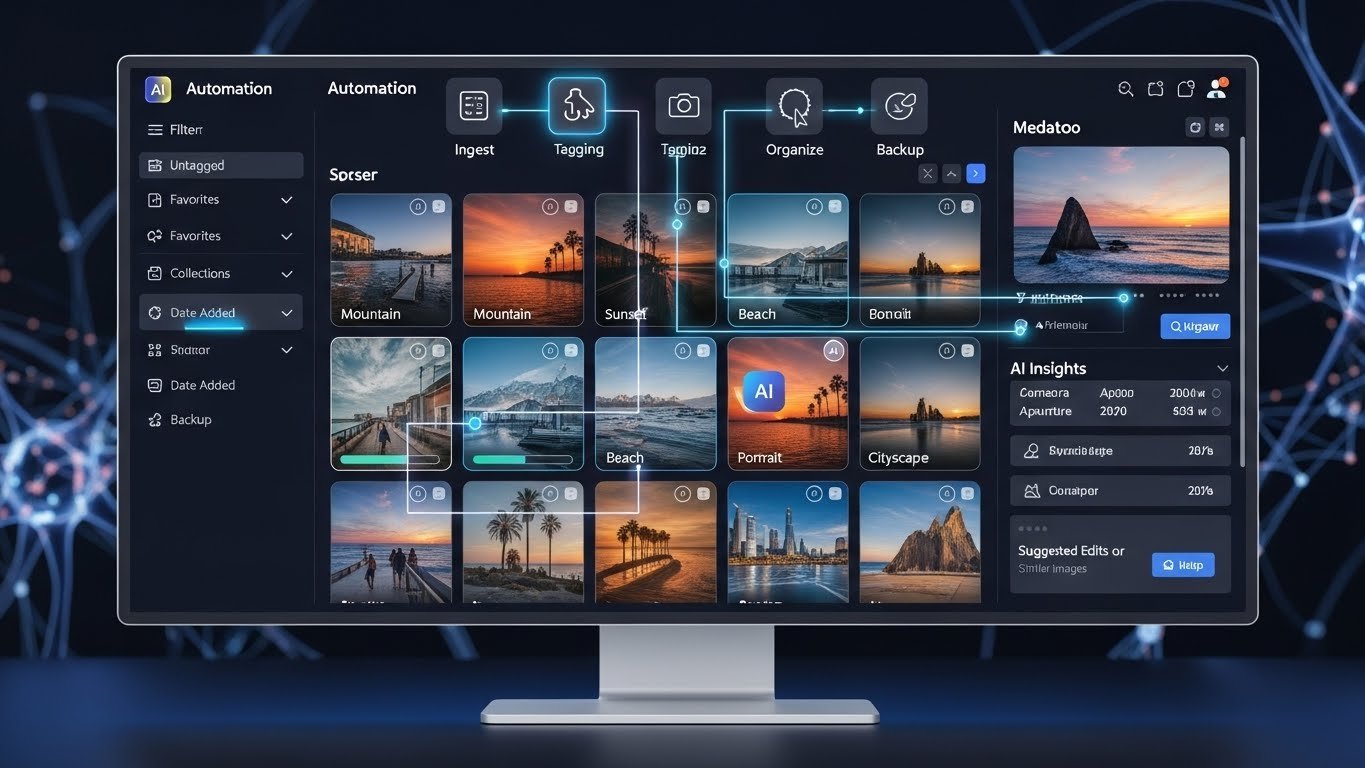
In the rapidly evolving landscape of digital technology, photoackmp has emerged as a groundbreaking solution that transforms how we approach visual data management and processing. As businesses and individuals seek more efficient ways to handle their digital content, understanding it becomes increasingly essential. This comprehensive guide explores every aspect of it, providing you with the knowledge needed to leverage this powerful technology effectively.
The term photoackmp represents a sophisticated approach to photo acknowledgment and management protocols, combining advanced algorithms with user-friendly interfaces. Whether you’re a professional photographer, digital marketer, or content creator, mastering photoackmp can significantly enhance your workflow efficiency and output quality.
What Makes Photoackmp Different
The fundamental distinction of it lies in its ability to seamlessly integrate multiple functionalities into a single, cohesive system. Unlike traditional photo management tools, photoackmp offers an innovative framework that addresses common pain points experienced by users across various industries.
Core Features of Photoackmp
Understanding the core capabilities helps users maximize the potential of photoackmp in their daily operations. The system incorporates several key features:
Advanced Recognition Capabilities: The photoackmp platform utilizes cutting-edge recognition technology that identifies patterns, objects, and metadata with remarkable accuracy. This functionality enables users to organize vast libraries of images without manual intervention.
Streamlined Workflow Integration: One of the most compelling aspects of it is how it integrates with existing workflows. Users can incorporate it into their current systems without extensive restructuring or retraining.
Scalability and Performance: Whether managing hundreds or millions of images, it maintains consistent performance levels. The architecture behind it ensures that processing speeds remain optimal regardless of database size.
| Feature | Benefit | Use Case |
|---|---|---|
| Automated Tagging | Saves 70% of manual work | Large photo libraries |
| Cross-Platform Sync | Access anywhere | Remote teams |
| AI-Powered Search | Find images instantly | Content creators |
| Version Control | Track all changes | Professional studios |
| Batch Processing | Handle multiple files | E-commerce businesses |
How Photoackmp Works
The operational mechanics of it combine sophisticated backend processes with intuitive frontend design. When users upload images to a system, several automated processes begin immediately.
The Processing Pipeline
The photoackmp processing pipeline consists of multiple stages that work together to analyze, categorize, and store visual content efficiently. Initially, the system examines each image for technical specifications, including resolution, format, and color profiles.
Following technical analysis, it employs machine learning algorithms to identify content within images. This content recognition capability distinguishes it from simpler photo management solutions. The system can recognize faces, objects, landscapes, and even abstract concepts within photographs.
Metadata Management
Metadata serves as the backbone of any effective it implementation. The system automatically extracts EXIF data, GPS coordinates, camera settings, and timestamps from uploaded images. Beyond automatic extraction, photoackmp allows users to add custom metadata fields tailored to their specific needs.
Professional photographers find the metadata capabilities of it particularly valuable when managing client projects. By tagging images with client names, project codes, and usage rights, they create searchable databases that streamline future retrieval.
Benefits of Implementing Photoackmp
Organizations that adopt photoackmp typically experience immediate improvements in productivity and content management efficiency. The benefits extend across multiple dimensions of operations.
Time Savings and Efficiency
Time represents one of the most valuable resources in any organization. Photoackmp dramatically reduces the hours spent on manual photo organization and retrieval. Users report saving up to ten hours weekly after implementing photoackmp in their workflows.
The automated features within photoackmp eliminate repetitive tasks that previously consumed significant staff time. Instead of manually tagging thousands of images, team members can focus on creative and strategic work while photoackmp handles the organizational heavy lifting.
Enhanced Collaboration
Modern work environments demand effective collaboration tools. Photoackmp facilitates team collaboration through shared libraries, commenting features, and permission-based access controls. Multiple team members can work within the same photoackmp system simultaneously without conflicts or version confusion.
Marketing teams particularly benefit from the collaborative aspects of photoackmp. Designers, copywriters, and campaign managers can access the same image repository, ensuring brand consistency across all materials.
Cost Reduction
While implementing photoackmp requires initial investment, organizations typically see substantial cost savings over time. Reduced labor hours, decreased storage costs through intelligent compression, and elimination of duplicate files all contribute to the financial benefits of photoackmp.
Photoackmp Implementation Strategies
Successfully deploying photoackmp requires careful planning and strategic execution. Organizations should approach implementation systematically to maximize return on investment.
Assessment Phase
Before implementing it, conduct a thorough assessment of current photo management practices. Identify pain points, bottlenecks, and inefficiencies in existing workflows. This assessment provides baseline metrics against which to measure it performance improvements.
Document the volume of images currently managed, the number of users who need access, and specific feature requirements. This information guides the configuration of it to meet organizational needs precisely.
Migration Planning
Migrating existing photo libraries to photoackmp demands careful planning. Large organizations with extensive archives should develop phased migration strategies rather than attempting wholesale transfers. Start with the most frequently accessed images, then gradually migrate archival content.
During migration, it performs initial processing on all imported images. Allow sufficient time for this processing to complete before expecting full system functionality. The duration depends on library size and the processing capabilities of the photoackmp infrastructure.
Training and Adoption
User adoption determines the ultimate success of any photoackmp implementation. Develop comprehensive training programs that address different user skill levels and roles. Some users need only basic photoackmp functionality, while power users require advanced training on sophisticated features.
Create internal documentation specific to how your organization uses it. Generic documentation helps, but customized guides referencing your actual workflows and naming conventions prove far more valuable to users.
Advanced Photoackmp Techniques
Once basic photoackmp operations become routine, users can explore advanced techniques that unlock additional value from the platform.
Custom Workflow Automation
The photoackmp API enables developers to create custom automations tailored to specific business processes. For example, e-commerce companies can configure photoackmp to automatically resize product images to multiple dimensions, apply watermarks, and distribute files to various sales channels.
These automations transform photoackmp from a passive storage system into an active workflow participant. Images move through predefined processes without manual intervention, ensuring consistency and reducing errors.
Integration with Other Systems
The true power of it emerges when integrated with complementary systems. Connect photoackmp to content management systems, customer relationship management platforms, and marketing automation tools to create seamless information flows.
For instance, when integrated with CRM systems, it can automatically associate customer photos with their profile records. Marketing teams can then personalize communications using these images, all orchestrated through it integration.
| Integration Type | Business Impact | Implementation Complexity |
|---|---|---|
| CMS Connection | Streamlined publishing | Medium |
| Cloud Storage | Unlimited capacity | Low |
| Marketing Automation | Personalized campaigns | High |
| E-commerce Platforms | Faster product listings | Medium |
| Social Media | Automated sharing | Low |
Common Photoackmp Challenges and Solutions
Despite its many benefits, users occasionally encounter challenges when working with it. Understanding these potential issues and their solutions helps maintain smooth operations.
Performance Optimization
As image libraries grow, some users notice decreased performance in their it systems. This degradation typically results from insufficient infrastructure resources rather than limitations in itself. Upgrading storage speed, increasing processing power, or optimizing database configurations usually resolves performance issues.
Regular maintenance of it databases prevents the accumulation of orphaned records and temporary files that can slow system performance. Schedule periodic cleanup operations during off-hours to maintain optimal it responsiveness.
User Resistance
Change management represents another common challenge when implementing it. Users comfortable with existing processes may resist adopting new systems. Address this resistance through clear communication about photoackmp benefits, hands-on training opportunities, and readily available support resources.
Identify early adopters within your organization who can serve as its champions. These advocates help their colleagues navigate the transition and demonstrate the practical advantages of it in daily work.
The Future of Photoackmp
The trajectory of photoackmp development points toward even more sophisticated capabilities in the coming years. Artificial intelligence and machine learning continue advancing, promising to make it systems increasingly intelligent and autonomous.
Predictive Features
Future photoackmp versions will likely incorporate predictive features that anticipate user needs. Imagine a system that proactively suggests images based on the current project context or automatically creates collections for upcoming campaigns before you request them.
These predictive capabilities will rely on pattern recognition within user behavior data. As it learns how individuals and teams work, it will become an increasingly proactive assistant rather than a passive tool.
Enhanced AI Recognition
While current photoackmp systems excel at recognizing concrete objects, future iterations will better understand abstract concepts and emotional content within images. This enhanced recognition will enable more nuanced searching and organization based on mood, style, and thematic elements.
Photoackmp Best Practices
Maximizing the value of photoackmp requires adherence to established best practices. These guidelines help users avoid common pitfalls and optimize their it experience.
Consistent Naming Conventions
Establish and enforce consistent naming conventions for all files within it. Clear, descriptive filenames improve searchability and make manual browsing more efficient. Include relevant information like dates, project names, and subject matter in filenames.
While photoackmp handles organization automatically, thoughtful naming conventions provide an additional layer of organization that proves valuable during system migrations or when working with its exports.
Regular Backup Procedures
Despite the reliability of its systems, maintaining regular backups remains essential. Configure automated backup schedules that capture both image files and their metadata. Store backups in geographically separate locations to protect against localized disasters.
Test backup restoration procedures periodically to ensure that your backup strategy actually works when needed. A backup that cannot be restored provides false security.
Access Control Management
Implement granular access controls within photoackmp to protect sensitive images and ensure appropriate usage. Different user roles should have different permissions based on their responsibilities. Marketing staff might need different photoackmp access than legal teams or external contractors.
Regular audits of photoackmp access permissions help maintain security as team compositions change. Remove access promptly when team members change roles or leave the organization.
Measuring Photoackmp Success
Organizations should establish metrics to evaluate the success of their photoackmp implementation. These measurements demonstrate return on investment and identify areas for improvement.
Quantitative Metrics
Track quantifiable improvements such as time saved on image searches, reduction in duplicate files, and increased processing throughput. Compare these metrics against baseline measurements taken before implementing photoackmp.
User adoption rates provide another important metric. Monitor how many eligible users actively engage with it and how frequently they access the system. Low adoption rates may indicate training gaps or system configuration issues.
Qualitative Feedback
Beyond numbers, gather qualitative feedback from it users. Conduct surveys and interviews to understand user satisfaction, identify friction points, and collect suggestions for improvements. This qualitative data often reveals insights that pure metrics miss.
FAQs
Q: What is Photoackmp?
A: Photoackmp is an advanced photo acknowledgment and management protocol designed to streamline visual data processing through automation and AI.
Q: How does Photoackmp improve workflow efficiency?
A: It automates tagging, sorting, metadata extraction, and batch processing, saving hours of manual work each week.
Q: Is Photoackmp suitable for large organizations?
A: Yes. Its scalable architecture supports thousands to millions of images without performance drops.
Q: Can Photoackmp integrate with existing systems?
A: Absolutely Photoackmp connects with CMS platforms, CRMs, marketing tools, cloud storage, and e-commerce systems.
Q: What are the main benefits of using Photoackmp?
A: Productivity gains, reduced operational costs, enhanced collaboration, intelligent search, and automated workflows.
Conclusion
Photoackmp represents a significant advancement in visual content management, offering organizations powerful tools to organize, search, and leverage their image assets effectively. From automated tagging to collaborative workflows, photoackmp addresses the complex challenges of modern digital asset management.
Successful implementation requires strategic planning, user training, and ongoing optimization. Organizations that invest time in properly configuring and maintaining their photoackmp systems enjoy substantial returns through improved efficiency, reduced costs, and enhanced collaboration.
As technology continues evolving, it will undoubtedly incorporate even more sophisticated capabilities. Organizations adopting today position themselves advantageously for future innovations while immediately benefiting from current functionality. Whether managing hundreds or millions of images, it provides the scalable, intelligent solution modern organizations need to thrive in an increasingly visual digital landscape.
The journey with it begins with understanding its capabilities and committing to strategic implementation. By following the guidelines and best practices outlined in this guide, organizations can transform their photo management from a burdensome necessity into a strategic advantage that drives business success.
