


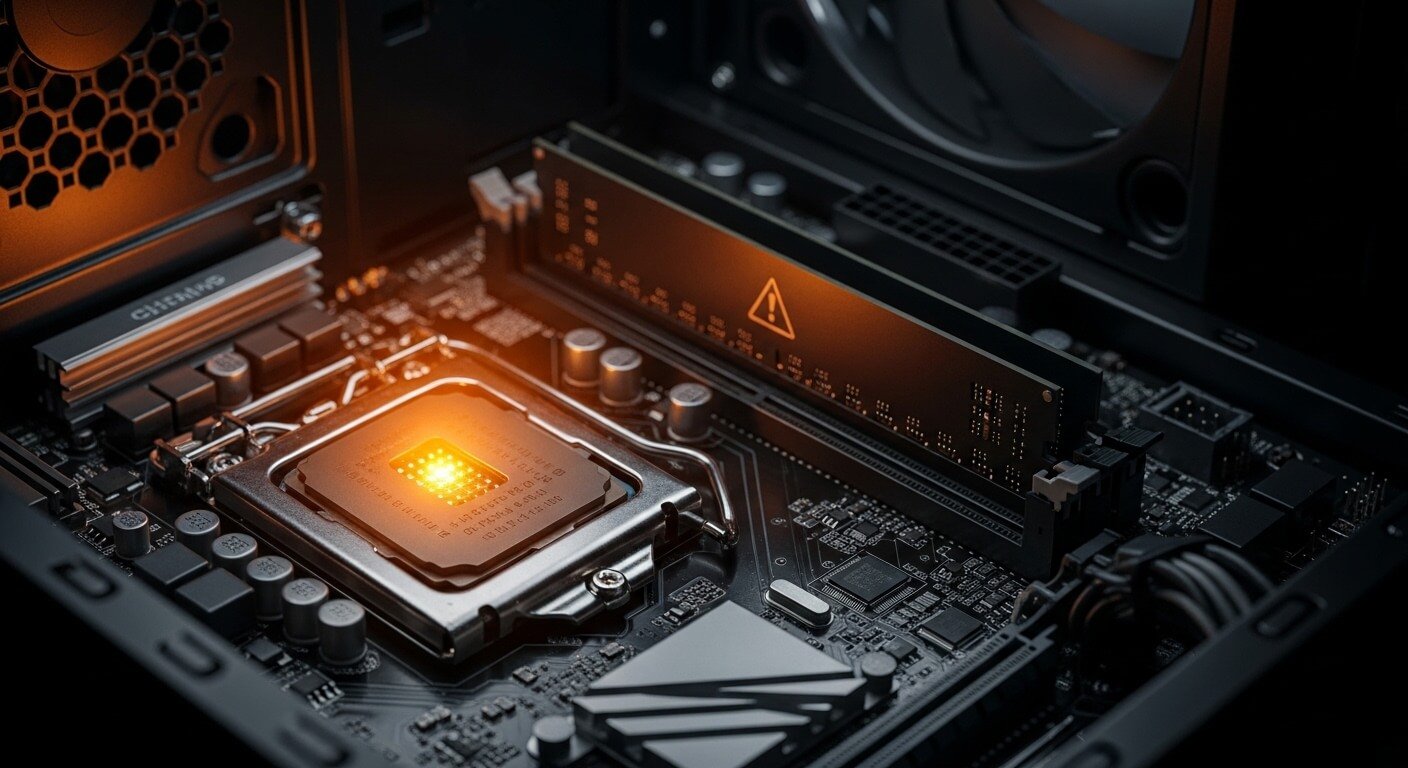
Have you ever powered up your PC only to be greeted by the unnerving glow of an orange light on your motherboard? It can feel like a warning siren blaring in the back of your mind. The orange light on the motherboard is more than just a colorful indicator; it could be signaling deeper issues that need immediate attention. Whether you’re a seasoned tech enthusiast or a casual user, understanding what this enigmatic light means is crucial for keeping your system running smoothly. Let’s dive into the world of motherboards and decode what that elusive orange hue might have in store for you.
Common Causes of Orange Light Mobo
The orange light on your motherboard can signal various issues. One common cause is a power supply failure. If the PSU isn’t delivering adequate voltage, it may trigger that warning light.
Another possible culprit is a faulty GPU connection. If your graphics card isn’t seated properly, or if there’s damage to its connector, the motherboard will alert you with an orange glow.
RAM problems also contribute to this issue. Improperly installed RAM modules or defective sticks can lead to boot failures indicated by the orange light.
Overheating components might be at fault. High temperatures can affect system stability and prompt visual warnings from your motherboard’s diagnostics systems.
Understanding these causes helps in addressing the problem effectively before it worsens.
Troubleshooting Steps for Orange Light Mobo
Start by checking the power supply. Ensure all connections to the motherboard are secure. A loose cable can trigger an orange light.
Next, inspect your RAM. Reseat the modules carefully in their slots. Sometimes a bad connection is enough to cause issues.
If that doesn’t work, look at your graphics card. Remove and reinsert it to guarantee it’s seated correctly. Dust or debris might also interfere with its performance.
Consider resetting the BIOS as well. This step can resolve configuration errors causing the warning light.
Check for any visible damage on the motherboard itself; cracks or burnt areas could indicate deeper problems that need attention. Be thorough; details matter when troubleshooting hardware issues like this.
Prevention Tips for Avoiding Orange Light Mobo
To avoid encountering the dreaded orange light mobo, regular maintenance is key. Start by ensuring your motherboard and components are dust-free. Dust buildup can lead to overheating and connection issues.
Next, invest in a quality power supply unit (PSU). A reliable PSU provides consistent voltage, keeping your motherboard functioning smoothly.
Monitor temperatures using software tools or BIOS settings. Keeping an eye on thermal performance helps prevent problems before they escalate.
Ensure all connections are secure during installation or upgrades. Loose cables can create intermittent issues that may trigger warning lights.
Consider updating your BIOS regularly. Manufacturers release updates that enhance compatibility and fix bugs; this simple step could save you from future headaches related to the orange light mobo alert.
When to Seek Professional Help
If your motherboard displays an orange light and troubleshooting hasn’t resolved the issue, it may be time to consider professional help.
Sometimes issues can go beyond simple fixes. If you’re uncomfortable opening up your computer or unsure about identifying hardware components, seeking expert assistance is wise.
Additionally, if multiple components are failing concurrently or the problem persists after repeated attempts at resolution, a technician’s insight might save both time and resources.
Don’t ignore signs of potential damage or malfunction; they could lead to more significant problems down the line. A professional can conduct thorough diagnostics to pinpoint underlying issues that aren’t immediately visible.
Remember, investing in expertise now may prevent costly repairs later on.
Conclusion
Understanding the orange light mobo is crucial for any PC builder or user. It’s not just a warning; it’s your motherboard trying to communicate its status.
Addressing the issue promptly can save you from more significant problems down the line. Ignoring it may lead to hardware failure, data loss, or costly repairs.
Stay proactive by regularly maintaining your system and monitoring component health. A few simple checks can often prevent a full-blown crisis.
If troubleshooting doesn’t resolve the problem, don’t hesitate to seek professional assistance. Sometimes an expert eye makes all the difference in identifying elusive issues.
Your computer deserves attention and care, just like any other essential tool in your life. Taking action when something seems off ensures that you keep running smoothly without unexpected interruptions.
