


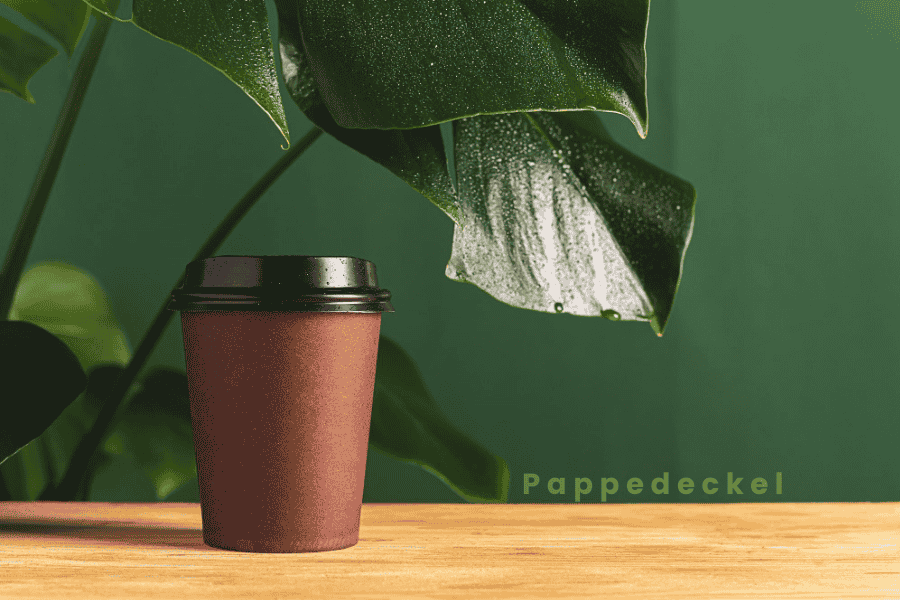
In a world increasingly conscious of environmental sustainability, the term pappedeckel, which translates to “cardboard lid” in English, has become a buzzword in the packaging industry. It represents an eco-friendly solution to plastic packaging, serving as a sturdy, biodegradable alternative that aligns with the global push toward sustainable living.
Made primarily from renewable materials like recycled paper and wood pulp, the pappedeckel is not just another packaging component it’s a symbol of innovation and environmental responsibility. From coffee cups to takeaway containers, its versatility makes it a staple for both consumers and businesses looking to minimize their carbon footprint.
The Evolution of the Pappedeckel in Modern Packaging
The shift from plastic to paper-based alternatives has been accelerated by growing concerns over plastic pollution. Governments, companies, and consumers alike are demanding solutions that reduce environmental harm. This demand has given rise to innovations like cardboard lids, which offer both functionality and sustainability.
In the past, disposable coffee lids were made almost exclusively from single-use plastics. However, with increasing awareness of the impact of non-biodegradable materials on oceans and wildlife, businesses began to explore cardboard alternatives. The pappedeckel emerged as the frontrunner, blending eco-friendliness with practicality.
Why Businesses Are Turning to Pappedeckel
Businesses in the food and beverage industry especially cafes and fast-food chains have recognized that adopting this solution not only helps the planet but also appeals to eco-conscious consumers. By switching to pappedeckel lids, brands communicate a commitment to sustainability, enhancing their image and customer loyalty.
| Material | Average Decomposition Time | Environmental Impact | Recyclable |
|---|---|---|---|
| Plastic Lid | 450 years | High | Limited |
| Pappedeckel Lid | 2–6 months | Low | 100% |
As the table shows, this offers an environmentally superior option with faster decomposition rates and better recyclability.
The Manufacturing Process of Pappedeckel
Creating these lids involves a streamlined, eco-friendly process. Typically, recycled paper is collected, pulped, and reshaped under high pressure to form the desired shape. The method requires minimal chemical additives, reducing pollution during production.
Collection and Sorting: Recyclable paper materials are gathered from various sources.
Pulping: The paper is mixed with water and broken down into pulp.
Molding: The pulp is poured into molds that shape it into durable lids.
Drying and Finishing: The final product is dried and sometimes coated with a natural wax or starch layer to enhance durability and water resistance.
This ensures that the pappedeckel retains strength and usability while maintaining its biodegradable nature.
Advantages of Using Pappedeckel
There are several reasons why this innovation is becoming the new industry standard for sustainable packaging:
-
Eco-Friendly Composition
Made from renewable and recyclable materials, the pappedeckel significantly reduces environmental waste. Unlike plastic, which can take centuries to decompose, this lid naturally breaks down within months. -
Lightweight and Durable
Despite being paper-based, it is remarkably sturdy. It can withstand heat and moisture, making it ideal for hot beverages and food packaging. -
Cost-Effective for Businesses
Switching to sustainable materials like the pappedeckel may initially seem more expensive, but it offers long-term cost benefits lower waste disposal costs, tax incentives for eco-friendly operations, and increased customer goodwill. -
Consumer Appeal
Eco-conscious customers are more likely to support brands that prioritize sustainability. Offering drinks or food in pappedeckel-sealed containers creates a positive brand image and fosters loyalty.
Comparing Pappedeckel with Other Packaging Materials
The pappedeckel outperforms traditional materials in multiple ways, as seen in the comparison below:
| Feature | Plastic Lid | Metal Lid | Pappedeckel Lid |
|---|---|---|---|
| Biodegradable | No | Partial | Yes |
| Recyclable | Partial | Yes | Yes |
| Heat Resistance | Medium | High | High |
| Cost Efficiency | Low | Medium | High |
| Eco-Friendliness | Poor | Average | Excellent |
This highlights that the pappedeckel combines the best aspects of other materials while maintaining environmental integrity.
Environmental Impact of Pappedeckel
The environmental benefits of the pappedeckel are substantial. By reducing dependency on fossil-fuel-based plastics, it lowers greenhouse gas emissions during production and disposal. Moreover, these lids can be composted, returning nutrients to the soil and contributing to a circular economy.
A study from European environmental agencies revealed that replacing 50% of plastic packaging with cardboard alternatives like the pappedeckel could cut carbon emissions by up to 25% across the packaging sector showcasing the real-world potential of such eco-friendly innovations.
Innovations and Future Trends of Pappedeckel
As sustainability continues to dominate industrial priorities, pappedeckel design is evolving with new technologies. Manufacturers are experimenting with:
-
Waterproof biodegradable coatings made from corn starch
-
Smart lids that indicate beverage temperature
-
Custom branding through digital printing on pappedeckel surfaces
These advancements make the product not just a green alternative but also a customizable, functional solution for businesses seeking to enhance their branding and sustainability efforts.
How Consumers Can Support Adoption
Individual choices matter. By opting for drinks or takeout that use cardboard lids instead of plastic, consumers help reduce waste. Supporting eco-friendly brands also sends a message to the industry that sustainability matters.
Practical ways to help:
-
Choose cafes and restaurants that use pappedeckel packaging.
-
Educate others about its environmental benefits.
-
Properly recycle or compost used lids.
Challenges Ahead Pappedeckel
Despite its numerous advantages, the pappedeckel still faces challenges. The production process, while greener than plastic, requires significant water resources. Additionally, not all recycling facilities are equipped to handle mixed-material lids if they have coating layers.
To overcome these obstacles, companies are investing in water-saving technologies and developing coatings that are fully compostable.
Global Outlook of Pappedeckel
The market for sustainable packaging is expanding rapidly. The pappedeckel industry is projected to grow by over 8% annually in the next decade, driven by environmental regulations and shifting consumer preferences. Europe currently leads this movement, with countries like Germany and the Netherlands actively phasing out single-use plastics.
FAQs
Q: What is a pappedeckel?
A: It’s an eco-friendly cardboard lid used as a sustainable alternative to plastic covers.
Q: Are these lids recyclable?
A: Yes, they are 100% recyclable and biodegradable, making them ideal for sustainable packaging.
Q: Why are businesses switching to this material?
A: Companies use it to reduce plastic waste, improve eco-branding, and meet green packaging standards.
Q: Can it resist heat or moisture?
A: Absolutely. Modern pappedeckel lids are treated with natural coatings to resist heat and liquids.
Q: Is using it cost-effective?
A: Yes, it lowers waste-management costs and enhances brand image with minimal long-term investment.
Conclusion
The pappedeckel represents more than a simple lid it’s a movement toward a cleaner, greener planet. Its biodegradable nature, recyclability, and adaptability make it an essential part of the sustainable packaging revolution.
As both consumers and businesses continue to prioritize the environment, the pappedeckel stands as a symbol of progress, innovation, and responsibility. Choosing it today ensures a better tomorrow for generations to come.
