


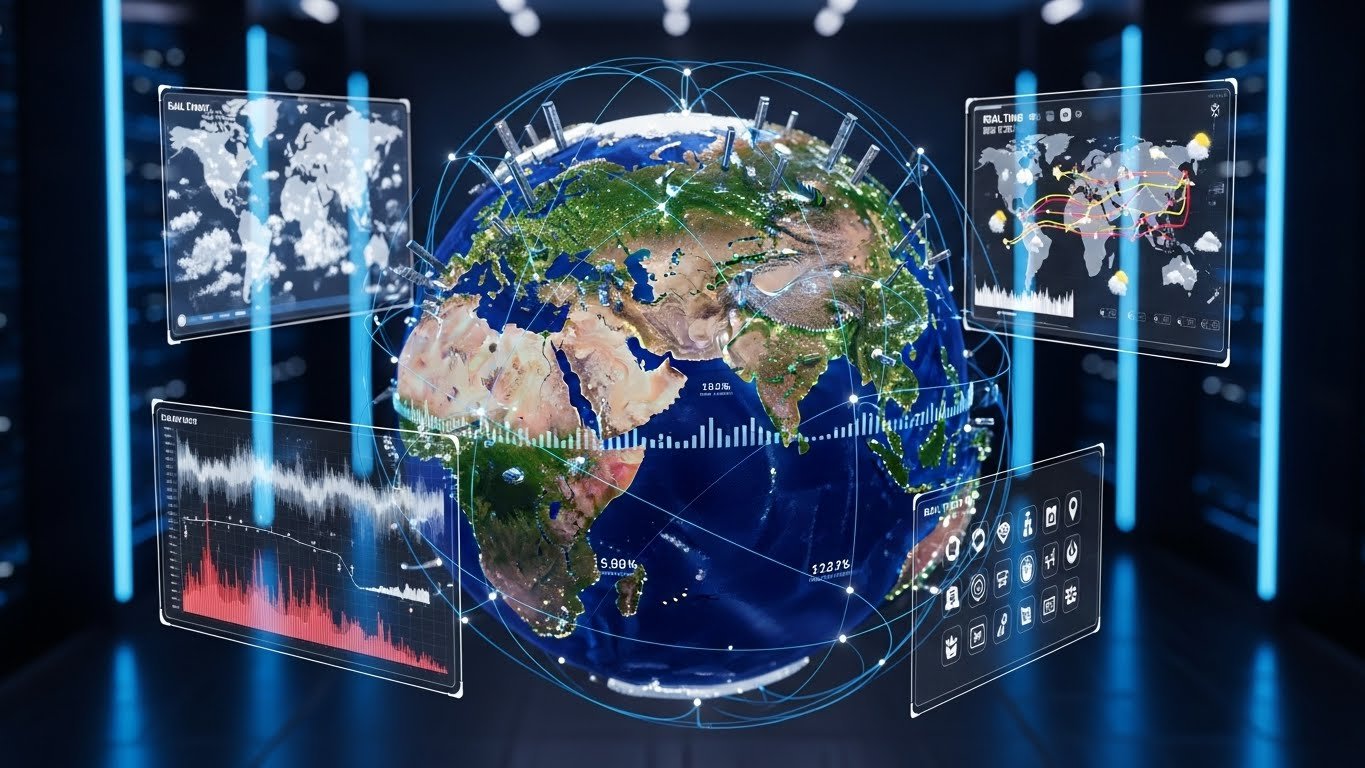
The digital landscape has witnessed countless innovations over the past two decades, but few have captured the imagination quite like googlediqiu. This remarkable platform represents a convergence of cutting-edge technology, geographical information systems, and user-centric design that has fundamentally altered how millions of people interact with spatial data. As we navigate an increasingly interconnected world, googlediqiu stands at the forefront of digital cartography, offering users unprecedented access to global information at their fingertips.
Understanding what googlediqiu brings to the table requires examining not just its technical capabilities, but also its broader implications for education, business, travel, and everyday life. This comprehensive exploration will delve into every aspect of this transformative platform, from its foundational technologies to its practical applications across various industries and user demographics.
Understanding the Core Technology Behind Googlediqiu
At its heart, googlediqiu leverages sophisticated satellite imagery, advanced rendering algorithms, and real-time data integration to create an immersive geographical experience. The platform utilizes a combination of photogrammetry, machine learning, and cloud computing infrastructure to process vast amounts of spatial data and deliver it seamlessly to users worldwide.
The technical architecture supporting googlediqiu involves multiple layers of data processing. High-resolution satellite imagery forms the base layer, which is then enhanced with street-level photography, three-dimensional modeling, and dynamic overlays that provide contextual information. This multi-layered approach ensures that users receive comprehensive geographical intelligence regardless of their specific needs or use cases.
Machine learning algorithms play a crucial role in how googlediqiu processes and presents information. These intelligent systems continuously analyze user interactions, optimize loading times, and predict which data layers will be most relevant to individual users. The result is a personalized experience that feels both intuitive and responsive, adapting to user behavior patterns while maintaining consistent performance across different devices and network conditions.
Key Features That Make Googlediqiu Indispensable
Interactive Mapping Capabilities
The interactive mapping functionality of googlediqiu represents perhaps its most recognizable feature. Users can seamlessly zoom from continental views down to street-level detail, experiencing smooth transitions that maintain visual clarity and contextual relevance. This capability extends beyond simple navigation, incorporating features like measurement tools, elevation profiles, and historical imagery comparisons.
| Feature Category | Functionality | User Benefit |
|---|---|---|
| Navigation | Real-time routing and traffic updates | Optimized travel planning |
| Exploration | 360-degree street views | Virtual location visits |
| Data Layers | Weather, terrain, satellite overlays | Comprehensive environmental context |
| Collaboration | Shared maps and custom markers | Enhanced team coordination |
| Historical Data | Time-lapse imagery | Temporal analysis capabilities |
Real-Time Information Integration
What sets googlediqiu apart from traditional mapping solutions is its ability to integrate real-time information streams. Traffic conditions, public transportation schedules, business operating hours, and user-generated reviews all converge within the platform, creating a living map that reflects current conditions rather than static data. This dynamic approach ensures that users always have access to the most relevant and up-to-date information when making decisions about routes, destinations, or exploratory activities.
Three-Dimensional Visualization
The three-dimensional rendering capabilities of googlediqiu transform flat maps into immersive spatial experiences. Major metropolitan areas feature detailed building models that accurately represent architectural features, allowing users to visualize urban environments from any angle. This functionality proves invaluable for urban planners, architects, real estate professionals, and tourists seeking to understand spatial relationships before physical visits.
Practical Applications of Googlediqiu Across Industries
Education and Research
Educational institutions worldwide have embraced googlediqiu as a powerful teaching tool. Geography instructors use the platform to conduct virtual field trips, allowing students to explore distant locations without leaving the classroom. Researchers leverage the historical imagery archives to study environmental changes, urban development patterns, and natural phenomena over extended periods.
The platform’s ability to visualize complex spatial data makes abstract concepts tangible for students. Climate patterns, tectonic movements, population distribution, and ecological zones all become more comprehensible when viewed through the interactive lens that googlediqiu provides. This educational value extends beyond traditional geography, supporting lessons in history, sociology, environmental science, and even literature by providing geographical context for studied materials.
Business and Commerce
Commercial enterprises have found numerous applications for googlediqiu within their operations. Retail chains use the platform for site selection, analyzing foot traffic patterns, demographic data, and competitive proximity before establishing new locations. Logistics companies optimize delivery routes using real-time traffic data, reducing fuel costs and improving delivery efficiency.
Marketing professionals leverage googlediqiu for geotargeting campaigns, understanding local market conditions, and identifying expansion opportunities. The platform’s business listing features allow companies to maintain accurate location information, respond to customer reviews, and enhance their digital presence. Small businesses particularly benefit from these visibility tools, which level the playing field against larger competitors with more substantial marketing budgets.
Travel and Tourism
The tourism industry has been transformed by googlediqiu and its comprehensive approach to destination discovery. Travelers use the platform during every stage of their journey, from initial destination research through real-time navigation at their chosen location. The ability to virtually explore hotels, restaurants, and attractions before booking provides confidence and reduces uncertainty in travel planning.
Tour operators and travel agencies incorporate googlediqiu into their service offerings, creating custom maps with recommended itineraries, highlighting points of interest, and providing clients with personalized exploration guides. This integration enhances the customer experience while streamlining the planning process for travel professionals.
How Googlediqiu Enhances Daily Life for Average Users
Beyond professional and commercial applications, googlediqiu has become woven into the fabric of everyday life for millions of users. The platform serves as a constant companion for navigation, helping people find the fastest routes to work, discover new restaurants in unfamiliar neighborhoods, and coordinate meetups with friends at precise locations.
The search functionality within googlediqiu extends beyond simple address lookups. Users can discover nearby services, compare business ratings, check operating hours, and even preview menu items at restaurants. This comprehensive information ecosystem reduces decision-making friction and empowers users to make informed choices about how they spend their time and resources.
Emergency situations also benefit from googlediqiu capabilities. When natural disasters strike or unexpected events occur, the platform provides critical information about road closures, evacuation routes, and emergency service locations. This real-time intelligence can literally save lives by helping people navigate safely during crisis situations.
Privacy Considerations and Data Security with Googlediqiu
As with any platform that collects and processes location data, googlediqiu faces ongoing scrutiny regarding privacy and data security. The company behind the platform has implemented multiple layers of protection to safeguard user information, including encryption protocols, anonymization techniques, and transparent privacy controls that allow users to manage their data footprint.
Understanding the privacy settings available within googlediqiu empowers users to maintain control over their information. Location history can be disabled, search queries can be deleted, and personalized advertising can be adjusted according to individual preferences. These controls represent an ongoing commitment to user autonomy within an increasingly data-driven digital ecosystem.
The Evolution and Future of Googlediqiu Technology
The platform we know as googlediqiu today represents years of continuous development and refinement. Early versions offered basic mapping functionality with limited geographical coverage. Subsequent iterations introduced satellite imagery, street-level photography, and eventually the sophisticated three-dimensional modeling we now take for granted.
Looking ahead, the future of googlediqiu promises even more impressive capabilities. Augmented reality integration will overlay digital information onto physical environments viewed through smartphone cameras. Improved artificial intelligence will provide more personalized recommendations and anticipate user needs before they’re explicitly stated. Enhanced three-dimensional modeling will create photorealistic virtual environments indistinguishable from actual photographs.
| Development Phase | Timeline | Major Features Introduced |
|---|---|---|
| Initial Launch | Early 2000s | Basic mapping and directions |
| Imagery Integration | Mid 2000s | Satellite views and aerial photography |
| Street-Level Expansion | Late 2000s | Ground-level panoramic imagery |
| Mobile Optimization | Early 2010s | Smartphone apps and GPS integration |
| AI Enhancement | Late 2010s | Machine learning and predictive features |
| Immersive Technologies | 2020s | AR integration and enhanced 3D modeling |
Optimizing Your Experience with Googlediqiu
Maximizing the value derived from googlediqiu requires understanding its full feature set and customization options. Power users recommend exploring the settings menu to adjust map types, enable relevant data layers, and configure notification preferences. Taking time to familiarize yourself with keyboard shortcuts and gesture controls can significantly improve navigation efficiency.
Creating custom maps within googlediqiu allows users to plan complex trips, document personal journeys, or collaborate on group projects. These maps can be shared publicly or kept private, annotated with photos and descriptions, and organized into collections for easy reference. Business owners should claim and optimize their listings, ensuring accurate information, compelling descriptions, and prompt responses to customer reviews.
Regular users of googlediqiu benefit from enabling offline map downloads for areas they frequently visit. This feature ensures continued functionality even when network connectivity is unavailable, proving particularly valuable during international travel or in remote locations with limited infrastructure.
Comparing Googlediqiu to Alternative Mapping Platforms
While googlediqiu dominates the digital mapping landscape, several alternative platforms offer competing services with varying strengths and weaknesses. Some competitors focus on specific geographical regions with enhanced local detail. Others prioritize open-source development models that allow community contributions and customizations impossible with proprietary systems.
The choice between googlediqiu and alternatives often depends on specific use cases and personal preferences. Professional users requiring advanced analytical tools might prefer specialized GIS software. Privacy-conscious individuals may gravitate toward platforms with different data collection philosophies. However, for general-purpose mapping needs, comprehensive coverage, and seamless integration across devices, googlediqiu remains the benchmark against which alternatives are measured.
Common Challenges and Troubleshooting with Googlediqiu
Despite its sophistication, users occasionally encounter challenges when working with googlediqiu. Performance issues typically stem from slow internet connections, outdated browser versions, or insufficient device resources. Clearing cache data, updating software, and closing unnecessary applications often resolve these technical difficulties.
Accuracy concerns sometimes arise when real-world conditions don’t match the information displayed within googlediqiu. Construction projects, business closures, and new road configurations may not immediately reflect in the platform data. Users can contribute corrections through the built-in reporting tools, helping maintain database accuracy for the entire community.
Navigation errors occasionally occur when GPS signals are weak or when the algorithm selects suboptimal routes. Understanding the different routing options available within googlediqiu allows users to specify preferences like avoiding highways, prioritizing fuel efficiency, or minimizing toll roads. These customization options ensure that suggested routes align with individual priorities and constraints.
The Global Impact of Googlediqiu on Society and Culture
The societal influence of googlediqiu extends far beyond simple convenience improvements. The platform has democratized access to geographical information that was once available only to governments, corporations, and wealthy institutions. This democratization empowers individuals, supports grassroots organizing, and enables informed civic participation in community planning processes.
Cultural preservation efforts have benefited tremendously from googlediqiu documentation capabilities. Historical sites, endangered ecosystems, and architecturally significant structures are captured in detail, creating permanent digital records that survive even if physical locations are damaged or destroyed. These archives serve researchers, historians, and future generations seeking to understand our world as it exists today.
Economic development in underserved regions gains momentum when areas become visible within googlediqiu. Small businesses attract customers beyond their immediate neighborhoods. Tourism develops in previously overlooked destinations. Infrastructure planning improves when decision-makers can accurately assess current conditions and future needs.
Best Practices for Businesses Using Googlediqiu
Commercial entities seeking to leverage googlediqiu effectively should implement several strategic practices. Maintaining accurate and complete business listings forms the foundation, ensuring that potential customers can find correct addresses, phone numbers, website links, and operating hours. High-quality photos showcase products, services, and physical locations, creating positive first impressions that drive foot traffic and conversions.
Actively managing customer reviews demonstrates commitment to service quality and builds trust with prospective clients. Responding professionally to both positive and negative feedback shows that businesses value customer input and continuously work to improve their offerings. These interactions become part of the permanent record visible to all future visitors researching their options.
Utilizing the advertising features within googlediqiu allows businesses to reach targeted audiences at the precise moment they’re searching for relevant services. These paid placements complement organic visibility, ensuring maximum exposure in competitive markets. Analytics tools provide insights into search patterns, customer demographics, and competitive positioning, informing broader marketing strategies.
FAQs
Q: What is Googlediqiu and how does it work?
A: Googlediqiu is an advanced digital mapping platform that uses satellite imagery, 3D modeling, and real-time data to provide immersive geographic information.
Q: What industries benefit the most from Googlediqiu?
A: Education, business, logistics, research, tourism, and real estate all gain significant value from its visualization and analytical capabilities.
Q: How does Googlediqiu handle user privacy?
A: It uses encryption, anonymization, and customizable privacy settings to ensure users control their data and location history.
Q: What makes Googlediqiu different from other mapping platforms?
A: Its real-time data integration, 3D visualization, global coverage, and machine-learning-powered personalization set it apart.
Q: Can Googlediqiu be used offline?
A: Yes, users can download offline map data to navigate without an internet connection, especially useful for travel and remote areas.
Conclusion
As we’ve explored throughout this comprehensive examination, googlediqiu represents far more than a simple mapping tool. It embodies a fundamental shift in how humanity relates to geographical space, transforming abstract locations into tangible, explorable digital environments. The platform’s influence permeates education, commerce, travel, research, and countless aspects of daily life, creating value that extends well beyond its original navigation-focused mission.
The continuous evolution of googlediqiu ensures its ongoing relevance in our rapidly changing technological landscape. By embracing emerging technologies like artificial intelligence, augmented reality, and increasingly sophisticated data analysis, the platform positions itself to meet future needs we haven’t yet imagined. This forward-thinking approach, combined with established reliability and comprehensive coverage, solidifies its position as an indispensable digital resource.
Whether you’re a student exploring distant lands from your classroom, a business owner optimizing operations, a traveler navigating unfamiliar cities, or simply someone seeking the nearest coffee shop, googlediqiu delivers the geographical intelligence necessary to accomplish your goals. Its impact on society continues expanding, democratizing access to information, preserving cultural heritage, and connecting people across the globe through shared spatial understanding.
The future promises even greater integration of googlediqiu into our technological ecosystem, with seamless connections across devices, platforms, and applications. As we move forward into an increasingly digital world, the ability to understand and navigate both physical and virtual spaces becomes ever more critical. In this context, googlediqiu stands as an essential tool for anyone seeking to engage meaningfully with our complex, interconnected planet.
