


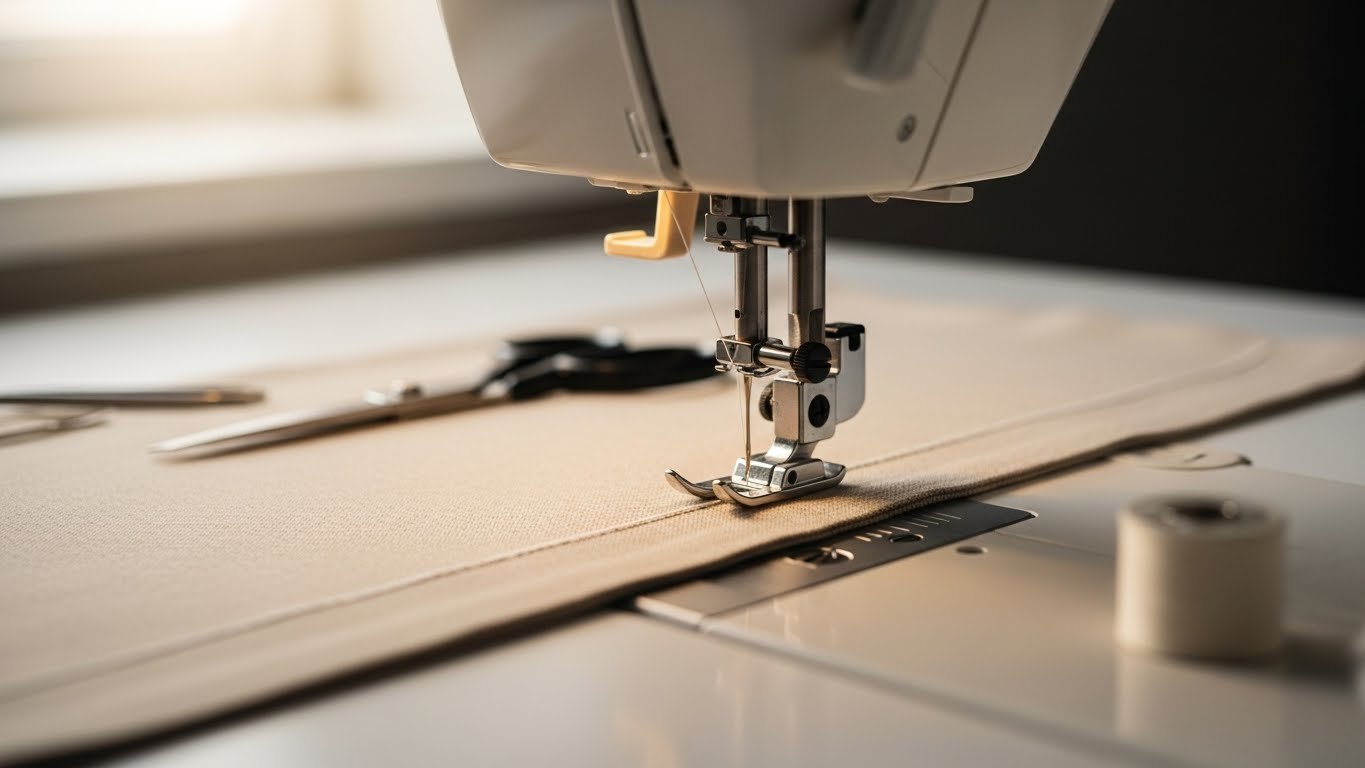
When it comes to sewing, the choices can feel overwhelming. One of the most crucial decisions you’ll make is selecting the right stitch, or “Nahttypen,” for your project. Whether you’re a seasoned seamstress or just starting out, understanding stitches is key to achieving professional results. The variety of fabrics available adds another layer of complexity, but don’t worry! This guide will help you navigate through different types of stitches and their ideal fabric partners. Get ready to unlock the secrets behind stitching success!
Understanding the Different Types of Nahttypen Fabrics
Fabrics come in a wide array of types, each with its own unique properties. Understanding these differences is crucial for achieving the best results in your sewing projects.
Cotton is popular for its versatility and breathability. It’s easy to work with, making it ideal for beginners.
Silk, on the other hand, exudes luxury but requires gentle handling. Its delicate nature means you need to choose stitching techniques wisely.
Wool offers warmth and resilience but can be tricky due to its stretchiness. A strong stitch helps maintain structure without distorting the fabric.
Synthetic fabrics like polyester are durable and often resistant to wrinkles. However, they might require specific needle choices to avoid damage during sewing.
Each type of fabric not only affects appearance but also impacts durability and comfort. Knowing this helps you select suitable stitches that enhance both functionality and style in your creations.
Matching Stitches to Nahttypen Fabrics
Choosing the right stitch for your fabric can make all the difference in your sewing project. Each type of fabric has its own unique characteristics, and understanding these will guide you in making an informed decision.
For lightweight fabrics like chiffon or silk, consider using a straight stitch with a fine needle. This ensures that your seams are delicate yet strong enough to hold up over time.
Heavier materials such as denim or canvas benefit from more robust stitches like zigzag or even triple stitching. These add durability and prevent fraying along edges.
If you’re working with stretchy fabrics, opt for stretch stitches or serging techniques. They maintain flexibility while still providing secure seams that won’t pop during wear.
Experimenting is key. Test different stitches on scrap pieces before committing to your final project to see which combination works best for you and enhances the overall look of your creation.
Common Stitching Mistakes and How to Avoid Them
Stitching can be tricky, and errors often creep in. One common mistake is using the wrong needle for the fabric type. A universal needle may not work well on delicate silks or heavy denim, leading to skipped stitches or snags.
Another frequent issue is improper tension settings. Too tight can pucker your fabric, while too loose results in messy seams. Always test on a scrap piece before diving into your project.
Additionally, neglecting to pre-wash fabrics might cause problems later on. Shrinkage could distort your beautiful stitches after laundering.
Some crafters forget to secure their threads at the beginning and end of a seam. This oversight can lead to unraveling over time, definitely not what you want! Taking these simple precautions will elevate your sewing game significantly.
Advanced Techniques for Challenging Nahttypen Fabrics
Challenging fabrics can be intimidating, yet rewarding to work with. Mastering advanced techniques can elevate your projects significantly.
First, consider using a walking foot when stitching slippery or stretchy materials like silk and knits. This tool helps maintain even feed as you sew, preventing puckering.
For thicker fabrics, such as denim or canvas, use the double needle technique. It gives a decorative touch while ensuring strong seams that withstand wear.
When working with delicate textiles like lace, experiment with basting stitches. These temporary holds allow for precise adjustments without damaging the fabric’s integrity.
Don’t forget about stabilizers! They provide support for flimsy fabrics during sewing and help achieve clean edges. Choose between tear-away or wash-away options based on your project needs.
Practice patience and take your time. Each challenging fabric offers learning opportunities that sharpen your skills in beautiful ways.
Tips for Maintaining Your Stitches and Fabrics
To keep your stitches looking sharp, regular maintenance is key. Start by washing your fabrics with care. Use a gentle detergent and avoid harsh chemicals that can weaken fibers.
Ironing is another important step. Always check the fabric’s heat tolerance before using an iron to prevent burns or shine marks on your stitches.
Storage matters as well. Keep stitched items in a cool, dry place away from direct sunlight to protect the colors and integrity of both stitches and fabric.
Inspect seams regularly for loose threads or fraying edges. Addressing these issues early prevents bigger problems down the line.
When mending or altering pieces, use matching thread types to maintain consistency across all areas of your project. This attention to detail will ensure durability and aesthetic appeal for years to come.
Conclusion: Finding the Perfect Stitch for Your Fabric Project
Choosing the right Nahttypen can transform your fabric projects from average to exceptional. By understanding the characteristics of different stitches, you empower yourself to select the most suitable option for your specific material. Whether you’re working with delicate silks or sturdy denim, knowing how to match fabrics and stitches is key.
Avoiding common mistakes will save you time and frustration while enhancing the quality of your work. As you develop confidence in handling advanced techniques, you’ll find that even tricky fabrics become manageable challenges.
By taking care of both your stitches and fabrics, you’ll ensure that your creations remain beautiful over time. The journey towards mastering Nahttypen isn’t just about technique; it’s also about finding joy in every project you undertake.
Embrace creativity and experimentation as you discover which stitch works best for each unique fabric challenge ahead. Happy stitching!
