


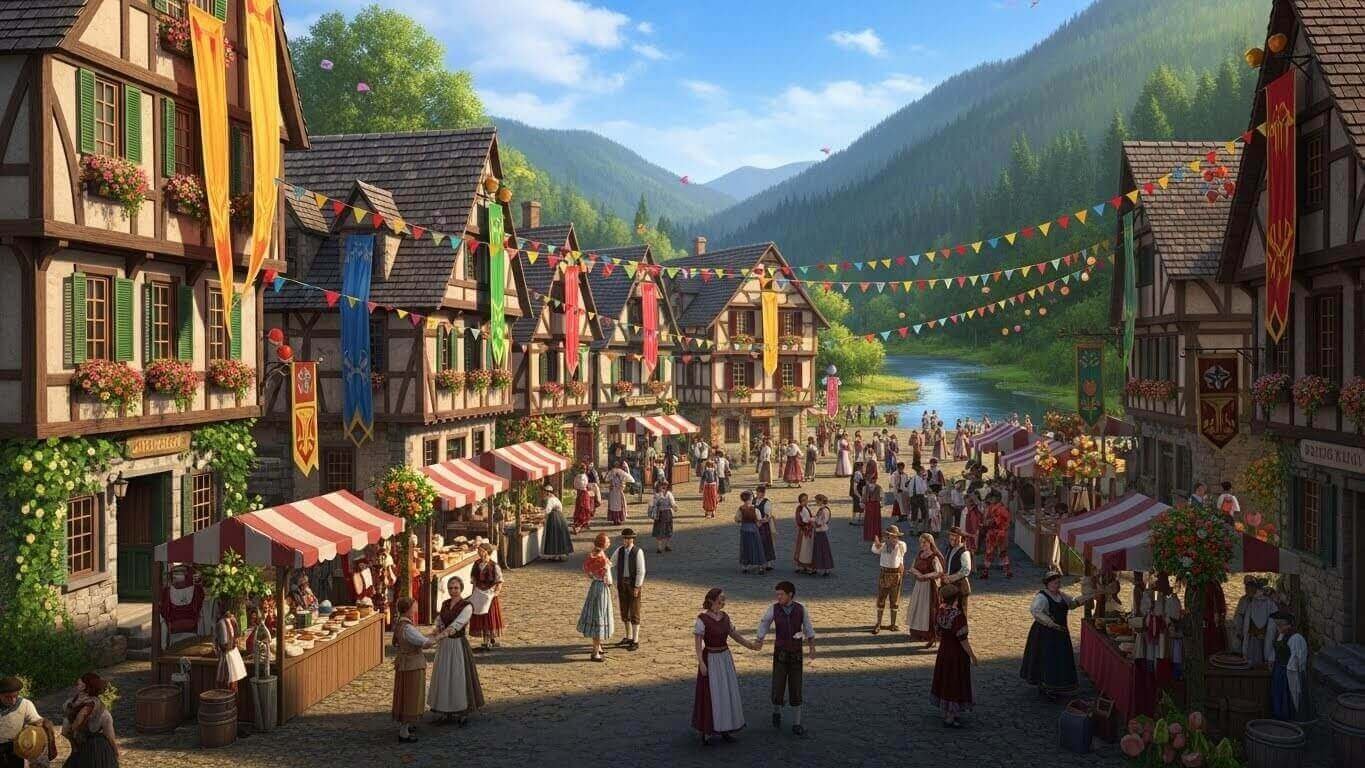
Nestled in the heart of an enchanting landscape, Mannacote is a place where history and culture intertwine seamlessly. This quaint locale offers more than just stunning views; it tells stories that span generations. From its intriguing beginnings to the vibrant traditions that continue today, Mannacote invites exploration and appreciation. What makes this town truly captivating? Let’s take a journey through time to uncover its rich heritage and cultural significance that shapes its identity today.
The Origin of the Name
The name “Mannacote” carries with it a tapestry of stories and meanings. Its roots trace back to the indigenous languages, reflecting both natural elements and cultural significance.
Some believe it derives from words that signify “place of plenty.” This nods to the region’s rich resources and fertile lands. Others suggest connections to ancient tribal leaders or clans, marking territory in a way that honors their heritage.
Local historians have debated these origins for years. Yet, no single explanation prevails. Each interpretation adds depth to Mannacote’s identity.
As generations pass, the name evolves while still echoing its past. It serves as a reminder of resilience and continuity in this vibrant community. Understanding its origin fosters greater appreciation for what Mannacote represents today—an ongoing story woven through time.
The Indigenous People of Mannacote
The Indigenous people of Mannacote hold a rich tapestry of history and culture. These first inhabitants, deeply connected to the land, have shaped its identity through centuries.
Their traditions are woven into the very fabric of Mannacote. Art, music, and storytelling are vital elements that celebrate their heritage. Each tale passed down carries lessons from ancestors who roamed these lands long before colonization.
Nature plays a significant role in their spiritual beliefs. Sacred sites across Mannacote serve as reminders of their enduring relationship with the environment. Rituals often align with seasonal changes, showcasing a profound respect for nature’s cycles.
Community gatherings reflect unity among families and clans. Through dance and song during festivals, they honor both past heroes and contemporary struggles.
Despite facing challenges over time, the resilience of Mannacote’s Indigenous peoples shines brightly today. Their voices continue to echo in modern discussions about cultural preservation and rights.
Colonial Influence and Development in Mannacote
The colonial era marked a significant turning point in Mannacote’s development. European settlers arrived, bringing with them new ideas and technologies that transformed the landscape.
Agriculture became a focal point as colonists introduced crops and farming techniques unfamiliar to the indigenous people. This shift not only changed local diets but also altered traditional practices deeply integrated into community life.
Trade routes expanded during this time, connecting Mannacote to larger markets beyond its borders. This brought economic opportunities but also challenges, as competition grew among settlers and indigenous communities alike.
Architectural styles began to blend, showcasing influences from various cultures. Buildings erected during this period still stand today, telling stories of resilience and adaptation amidst change.
As these diverse influences intertwined, they laid the foundation for Mannacote’s unique identity—a tapestry woven from threads of history that continue to shape its character today.
Cultural Traditions and Festivals in Mannacote
Mannacote vibrates with diverse cultural traditions that reflect its rich heritage. The annual Harvest Festival is a highlight, celebrating the community’s agricultural roots. Locals gather to share homemade dishes, showcasing traditional recipes passed down through generations.
Music and dance play a vital role in Mannacote’s culture. Traditional folk dances often feature during celebrations, inviting everyone to join in the fun. The rhythmic sounds of local instruments create an atmosphere filled with joy.
Religious festivities are also significant here. Events like the Winter Solstice bring families together for candlelight ceremonies, emphasizing unity and hope during the darkest days of the year.
Artisan markets pop up throughout the year, displaying handcrafted goods and artwork inspired by Mannacote’s landscapes. These gatherings not only support local artists but also reinforce community bonds as residents celebrate their shared identity through creativity and craftsmanship.
Famous Landmarks and Landscapes in Mannacote
Mannacote boasts a variety of landmarks that reflect its rich heritage and natural beauty. The iconic Old Mill, standing proudly by the riverbank, is a testament to the town’s industrial past. Visitors are often captivated by its charming architecture.
Another striking feature is the lush Mannacote Park. This green oasis offers walking trails, picnic areas, and breathtaking views of rolling hills. Locals enjoy gathering here for leisurely afternoons or family outings.
The Historic Town Square serves as a social hub with vibrant markets and art displays throughout the year. Its cobblestone paths tell stories from generations gone by.
Don’t miss the nearby Cliffs of Serenity. Their dramatic drop into azure waters provides stunning vistas that attract photographers and nature lovers alike. These landscapes contribute to Mannacote’s unique charm and appeal for those exploring this captivating region.
Preserving Mannacote’s Heritage for Future Generations
Preserving Mannacote’s heritage is vital for maintaining its unique identity. Local organizations and community members are actively engaged in this mission. They work tirelessly to document stories, traditions, and historical events that shape the area.
Education plays a key role here. Schools incorporate local history into their curriculums, ensuring that younger generations appreciate their roots. Workshops and cultural programs encourage participation from all ages.
Restoration projects breathe new life into old buildings, creating spaces where history can be experienced firsthand. These sites serve as reminders of Mannacote’s rich past while providing venues for community gatherings.
Additionally, storytelling festivals celebrate oral histories passed down through generations. This fosters a sense of belonging among residents and keeps the spirit of Mannacote alive in vibrant ways.
Through these efforts, the essence of Mannacote remains intact for future inhabitants to cherish and enjoy.
Conclusion
Mannacote stands as a vibrant testament to the intertwining of history and culture. Its name tells a story, rooted in ancient tongues and rich traditions. The indigenous people shaped its landscape, creating bonds with nature that still echo today.
Colonial influences brought change, but they also added layers to Mannacote’s identity. As the town evolved, cultural traditions flourished through festivals that celebrate both heritage and community spirit. These events highlight the warmth of Mannacote’s residents who proudly carry forward their customs.
The famous landmarks serve not only as attractions but also as reminders of what has come before. They represent resilience and continuity amid modernization. Each stone and valley tells tales of yesteryears while inviting visitors to appreciate their beauty.
As we look toward the future, preserving Mannacote’s heritage becomes paramount. It is vital for generations to experience its rich past while embracing new beginnings. By nurturing this unique blend of history and culture, Mannacote can continue to thrive in all its glory for years ahead.
This enchanting place remains an essential part of our shared narrative—a beautiful tapestry woven from diverse threads that invites exploration and celebration at every turn.
